

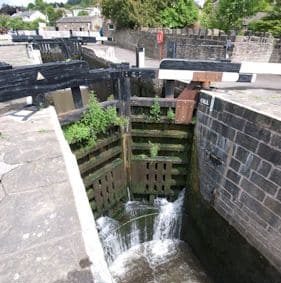
Canal Engineering and Architecture
Canal tunnels, bridges, aqueducts, locks, lifts and engineers
Building the English canals was a stupendous undertaking, transforming the countryside and man’s place in it using private capital and over a short fifty year period.
At a time when roads were poor and disjointed, a national system capable of moving large tonnages of bulk goods from North to South, East to West, coast to coast, was developed through personal initiatives, enthusiasm and human labour.
Civil engineering began here! An army of navvies (navigators) was mobilised, moving from canal project to project, doing all the hard labour by hand, and often terrorising the neighbourhood in the process! Almost uniquely the results of their labours, locks, bridges, buildings, are still in daily use, fulfilling their original purpose because of a design integrity that has lasted hundreds of years.
The Canal Builders
Canal Engineers
The engineers who built the canals, men such as Telford, Brindley and Rennie were essentially the first civil engineers, changing the landscape in a way that few had done before them.
Beneath the Hills
Canal Tunnels
Tunnels were probably the most difficult engineering task facing the early canal builders. However, most are still in use and a tribute to those early engineers and navvies.
Over the valleys
Canal Bridges
There are a wide variety of bridges and aqueducts on the canals. materials vary from wood to masonry to cast iron. Some just link fields together, others span deep river valleys.
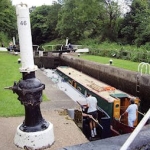
Canal Locks & Lifts
Locks & Boat Lifts
Locks were the essential canal engineering feature, allowing canals to climb over ranges of hills and create coast to coast inland waterway links. Also mechanised boat lifts.
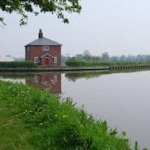
Canalside Buildings
Canal Buildings
Canals needed maintenance yards, dry docks and houses for lock keepers and toll collectors. Commerce needed warehouses and factories. Altogether a fascinating range of structures.
All materials and images © Canal Junction Ltd. Dalton House, 35 Chester St, Wrexham LL13 8AH. No unauthorised reproduction.
About | Terms | Privacy| Refunds & Returns| Sitemap | Contact Us
With over 800 pages, this website uses cookies to record visitor behaviour using Google Analytics. More information on Privacy Page. Page last updated: 01/04/2025.